
Why Your Box Size, Style, and Material Matter
Your box keeps your product safe. It also tells your customer whether your brand is cheap or worth the price before they even open it. If you pick the wrong box, your product can break during shipping. You lose money on returns and your customer does not come back.
Three choices shape how well your packaging works: size, style, and material. This guide from Boxprinting4less helps you make each choice the right way so your products arrive safe and look great.
Packaging Mistakes That Waste Your Money
The biggest mistake is using a box that is too big. Your product moves around inside, gets damaged, and you pay more for shipping because carriers charge by box size. The next mistake is using thin material for heavy items. A glass bottle in a flimsy box will break before it reaches your customer.
The third mistake is using a plain box when your product has a high price. If someone pays $80 for a skincare set, a beat-up brown box feels wrong. All three mistakes come down to picking box size, style, or material without thinking through your product needs first.
Step 1: Look at Your Product First
Before picking any box, hold your product and ask four questions. How big is it? How heavy is it? Will it break easily? And where does it end up, on a store shelf or at someone’s front door? Your answers point you toward the right box type.
A soft t-shirt ships fine in a poly mailer or thin box. A glass candle does not. Fragile items need thicker walls and padding inside. Cosmetics work well in tuck end boxes or rigid boxes. Electronics fit best in custom mailer boxes with snug inserts. Food products need food-safe kraft material that blocks grease.
Step 2: How to Pick the Right Box Size
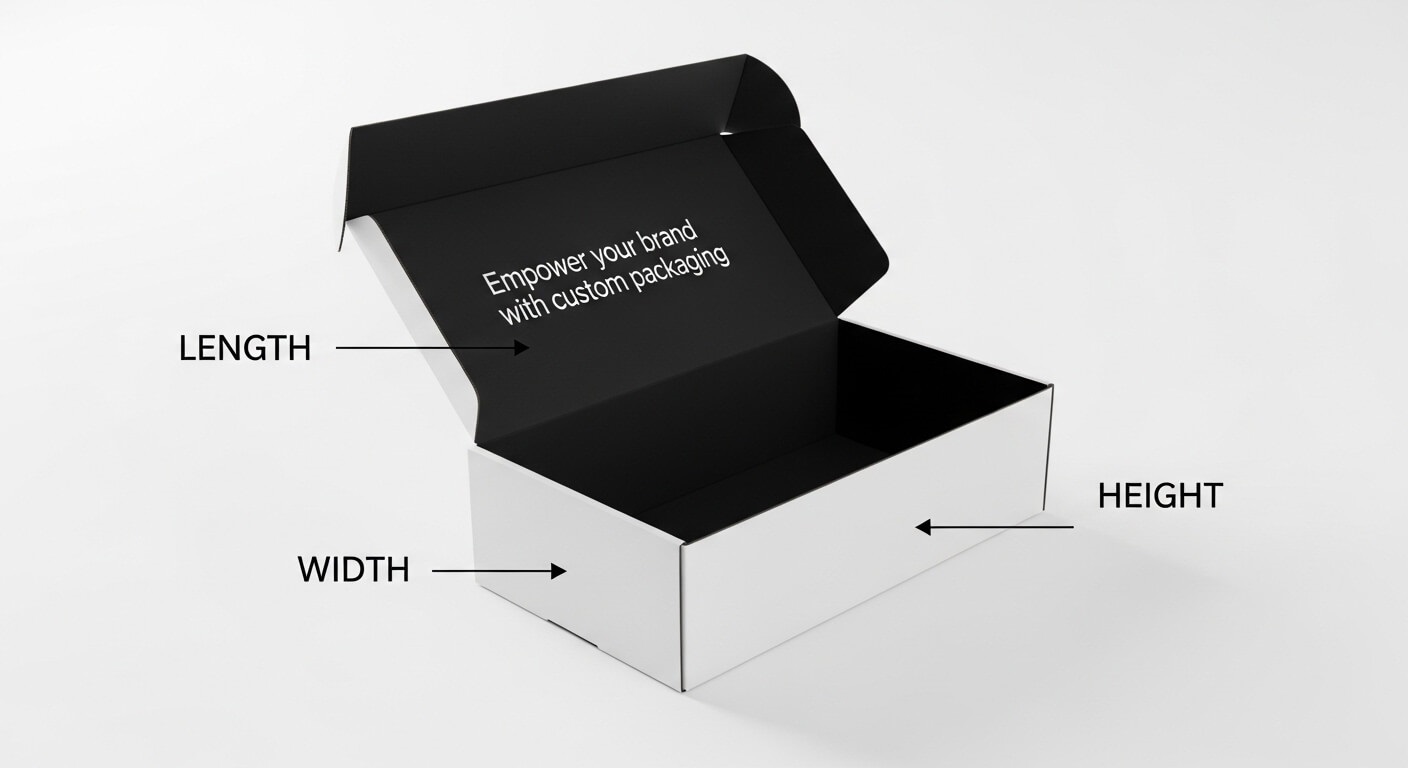
Measure your product’s length, width, and height at the widest points. Then add buffer space on every side for padding. Use half an inch for sturdy items like clothing or plastic goods. Use a full inch or more for glass, ceramics, or anything that cracks on impact. So if your fragile product is 6 x 4 x 3 inches, your box should be at least 7 x 5 x 4 inches inside.
Standard box sizes cost less because factories make them in large batches. Custom sizes cost more at first but save on shipping over time because there is no wasted space. Here is a quick size guide:
| Box Size | Inside Dimensions (inches) | Good For |
| Small | 4 x 4 x 4 | Jewelry, single items |
| Medium | 8 x 6 x 4 | Skincare sets, candles |
| Large | 12 x 10 x 6 | Electronics, gift sets |
| Extra Large | 16 x 12 x 8 | Clothing bundles, subscription boxes |
Step 3: Mailer Boxes for Online Stores and Subscriptions
Mailer boxes are made from corrugated cardboard. They lock shut with a front tuck flap, and most lighter items stay secure without tape. They ship flat to save storage room and pop together in seconds. They handle bumps and drops during shipping and print nicely with your brand colors and logo.
Most small online shops and subscription brands pick mailer boxes because they cost less per unit than other styles and stay strong enough for products under 5 pounds. They do not feel as fancy as rigid boxes, and they are not great for very tall or very heavy items. But for everyday ecommerce shipping, they do the job well.
| Pros | Cons |
| Low cost in bulk | Less fancy look |
| Ships flat, easy to store | Not great for tall items |
| Prints well with brand art | Struggles with heavy products |
Tuck-End Boxes for Store Shelves
Tuck end boxes fold from one flat sheet of paperboard. You see them at pharmacies, makeup counters, and electronics stores. They come in a few types. Straight tuck end boxes have flaps that tuck the same way. Reverse tuck-end boxes tuck in opposite directions for a cleaner look. Auto bottom boxes pop open with a pre-glued base for fast packing.
These boxes look sharp on store shelves because the smooth surface holds bright colors and clean text really well. You can add foil stamping on your logo or spot UV on key design areas to draw the eye on a crowded shelf. They cost less than rigid boxes but still look polished and professional.
Rigid Boxes for Luxury Products
Rigid boxes are thick and sturdy. They use heavy chipboard wrapped in printed paper, linen, or soft-touch material. Think about how an iPhone box feels when you open it. That slow, smooth slide is a rigid box at work. These boxes cost three to five times more per unit than mailer or tuck-end boxes.
But they make your product feel worth the price. Customers keep rigid boxes long after they take the product out. They use them to store things, put them on display, or give them away as gift boxes. If your product sells for over fifty dollars, a rigid box often pays for itself because people feel they got something worth keeping.
Side-by-Side Box Style Comparison
| Feature | Mailer Boxes | Tuck-End Boxes | Rigid Boxes |
| Strength | High | Medium | Very High |
| Cost | Low | Low to Medium | High |
| Best For | Online orders | Store shelves | Luxury gifts |
| Print Quality | Good | Very Good | Premium finishes |
| Setup | Self-lock | Fold flat | Comes ready |
Step 4: Box Materials and Cardboard Types
Corrugated cardboard has wavy layers between flat sheets. E-Flute is thin (1.5mm) and prints smoothly, which makes it great for branded mailer boxes. B-Flute is thicker (3mm) and handles medium-weight shipping. Double-wall has two wavy layers for heavy or breakable items going long distances.
For store packaging, SBS board gives a bright white surface with sharp color printing. Kraft paper has a natural brown look that says “eco-friendly” without any extra words. Heavy or breakable products need corrugated board. Light retail items work with 300 to 400 GSM paperboard. Premium items need rigid chipboard at 1200 GSM or higher to match the weight and feel customers expect at that price point. You can see all options on our packaging materials page.
Step 5: Inserts, Strength, and Finishing Touches
Strength ratings like GSM and ECT tell you how much pressure your box can take. Always ask your supplier for these numbers. Foam inserts and cardboard dividers hold your product still during shipping. A two-dollar insert can save you twenty dollars in replacement costs from one broken order.
Matte coating gives your box a soft, modern feel and stops the print from rubbing off. Foil stamping puts a shiny metallic look on your logo. Spot UV adds a glossy shine to one part of the design while the rest stays matte. These finishing details add pennies per box but change how customers see your product when they open it.
Step 6: Costs and Ordering from Boxprinting4less
Box price depends on size, material, and how many you order. Bigger boxes with thicker material cost more per piece. But when you order more at once, the price per box drops because setup costs spread out. At Boxprinting4less, you can start with as few as 50 to 100 boxes using digital printing. Get a free quote based on your exact box size, material, and quantity.
Orders usually take 7 to 15 business days. Plan ahead for busy seasons like holidays when everyone orders at the same time. Bulk orders come with discounts, and you can set up repeat orders to keep a steady supply on hand.
Quick Checklist: Pick Your Box in 5 Minutes
First, measure your product and add buffer space on each side. Then decide if shipping safety or store shelf looks matter more. Set a budget for each box. Think honestly about how easily your product breaks. Last, decide what you want customers to feel when they hold your box. Those five answers narrow your choices down to one or two options worth testing.
How Real Brands Used Boxprinting4less
A skincare company switched to custom tuck-end boxes with matte coating and gold foil. Shipping damage dropped 40 percent, and customers started praising the packaging in their reviews. A snack subscription brand added printed art inside their mailer boxes, and unboxing videos on social media doubled in three months.
A candle maker started using rigid boxes with magnetic lids. Their average order went up 25 percent because customers felt the product was worth more in that box. In each case, the packaging upgrade paid for itself within the first few months.
Get Your Custom Boxes from Boxprinting4less
Picking the right box is about knowing your product, choosing a style that fits your sales channel, and using a material that protects without costing too much. Measure your product first. Compare styles against your budget. Pick finishes that match your brand.
Boxprinting4less sends free samples so you can test before you commit. We give clear quotes with no hidden fees. Request Your Custom Box Quote Now
FAQ: Box Size, Style, and Material Questions
What is the difference between mailer boxes and tuck-end boxes? Mailer boxes use corrugated cardboard and lock shut for shipping. Tuck-end boxes use thinner paperboard with tuck flaps and look better on store shelves where customers pick them up.
Which material is best for breakable products? Corrugated cardboard with B-flute or double-wall plus foam inserts that hold each piece in place during shipping.
How much extra room should I leave in the box? Half an inch for sturdy products. A full inch or more for glass, ceramics, or items with uneven shapes or parts like pump tops and handles.
Are rigid boxes worth it for small businesses? If your product sells for over fifty dollars, rigid boxes usually pay for themselves because customers see more value and buy again.
Do you have eco-friendly box options? Yes. Recycled kraft board, FSC-certified paper, soy-based inks, and coatings that break down naturally. Full details on our packaging materials page.